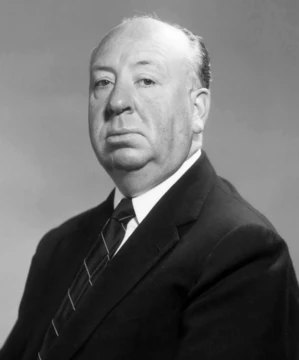
Yılmaz Güney
Kurdish filmmaker and activist who won the Palme d'Or in exile.

Artvill · CC BY-SA 4.0
His works, made from a far-left perspective, focused on the plight of working-class people in Turkey and often brought him into conflict with the Turkish government over his portrayal of Kurdish culture, people and language.
- field
- Film director, screenwriter, novelist, actor
- nationality
- Kurdish (Turkish-born; citizenship later revoked)
Lore & Background
He grew up surrounded by the Kurdish working class and held various jobs, including movie delivery boy and horse-cart driver, before publishing his first article in August 1955 and his first poem a week later while still in high school. His writing, especially a short story deemed Communist propaganda, led to legal trouble. He adopted the surname Güney reportedly after his first published story, before meeting novelist Yaşar Kemal. His films, such as Umut (Hope, 1970), were praised for their realism.
Reader's Guide
Yılmaz Güney's significance lies in his role as a pioneering Kurdish filmmaker who used cinema to depict the struggles of Turkey's working class and marginalized communities from a far-left perspective. Despite constant conflict with Turkish authorities—including imprisonment, loss of citizenship, and exile—he continued to produce influential films and screenplays. Güney's life and work remain a symbol of artistic resistance and the fight for cultural and political expression.
Did You Know?
- The Kurdish Institute of Paris was founded by other Kurdish intellectuals, not including Güney.
- His first marriage was to Fatma Güney; he later married fellow actor and Miss Turkey Nebahat Çehre in 1968, whom he divorced after trying to crush her with a car.
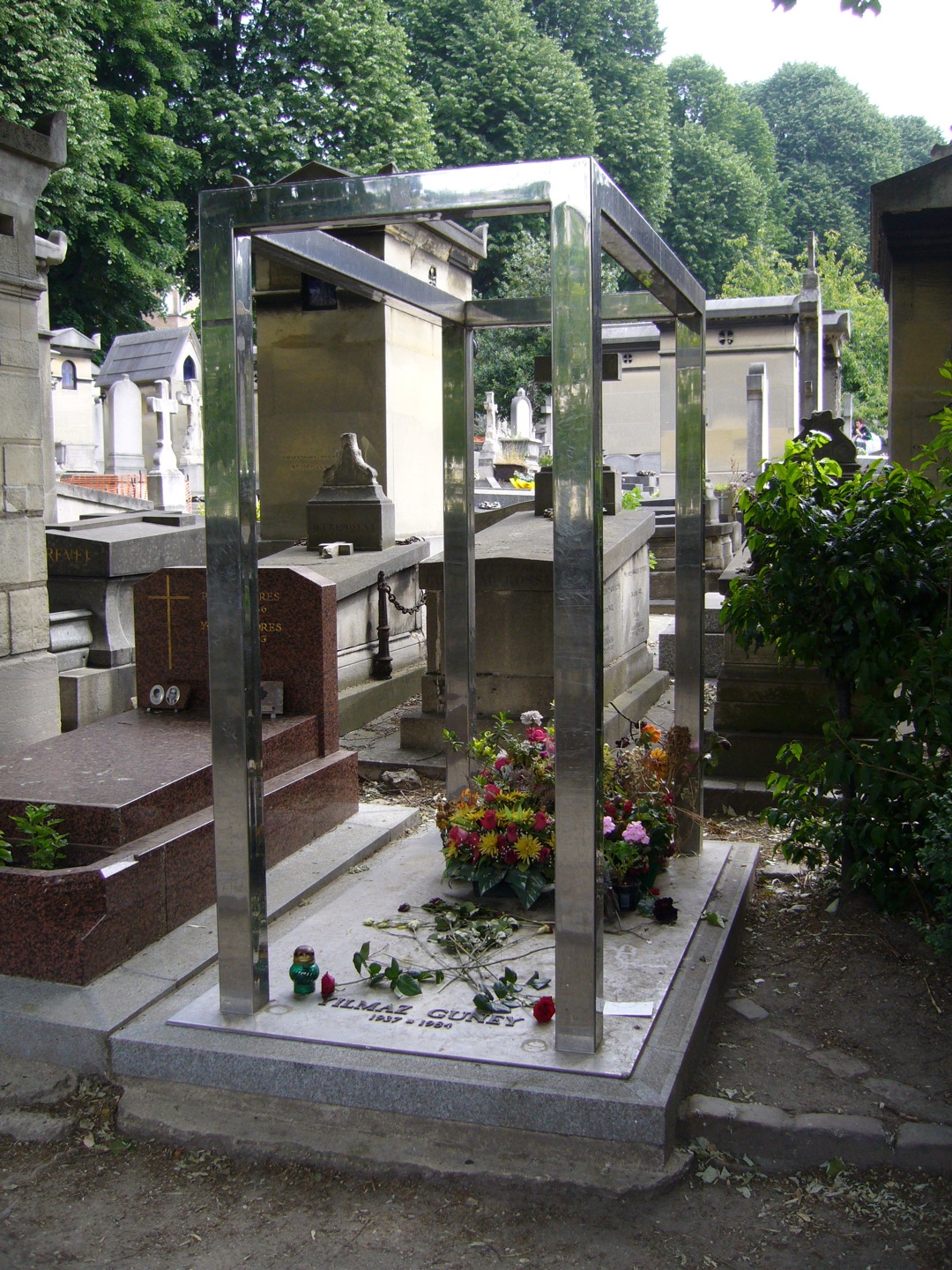
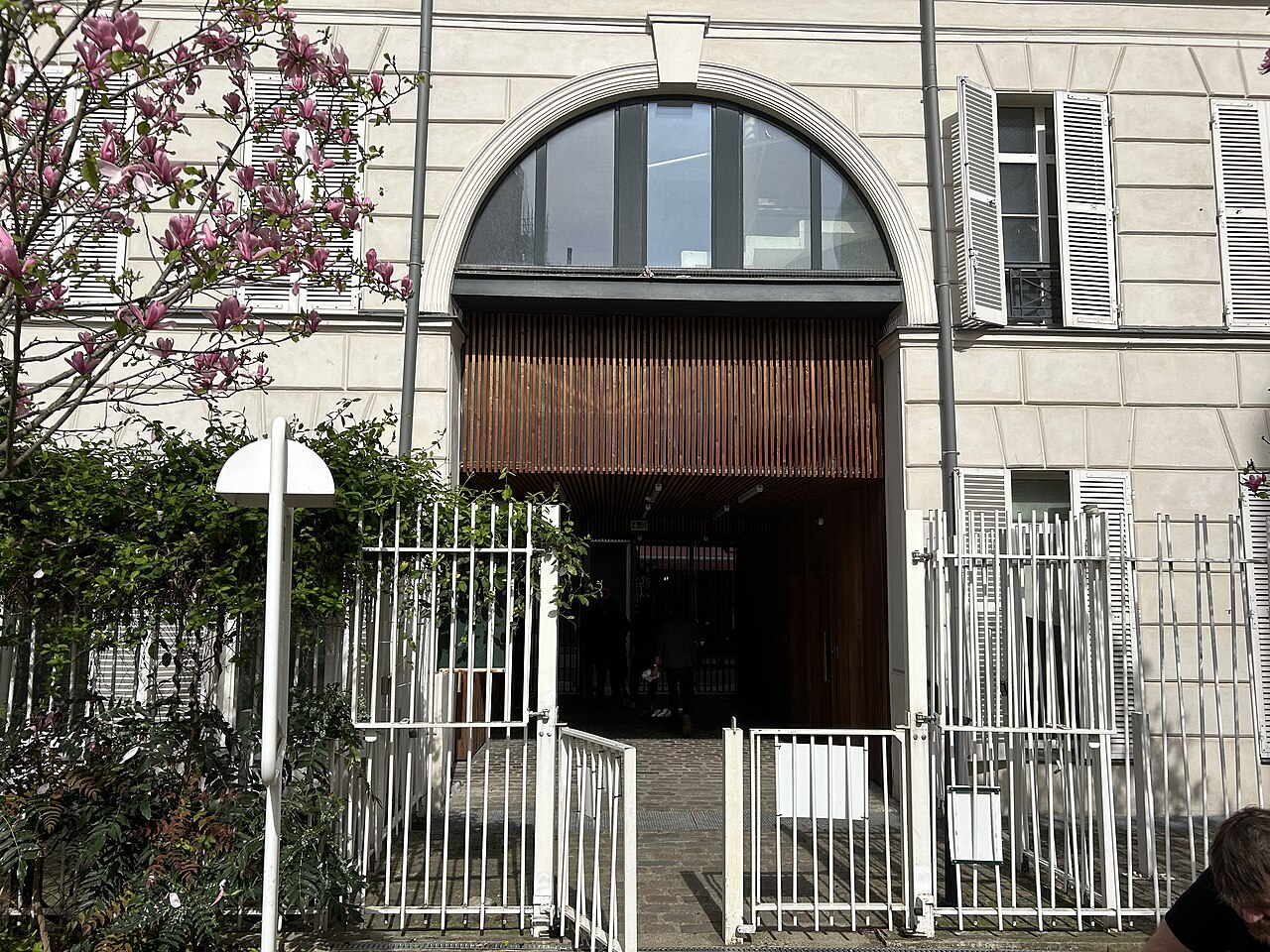
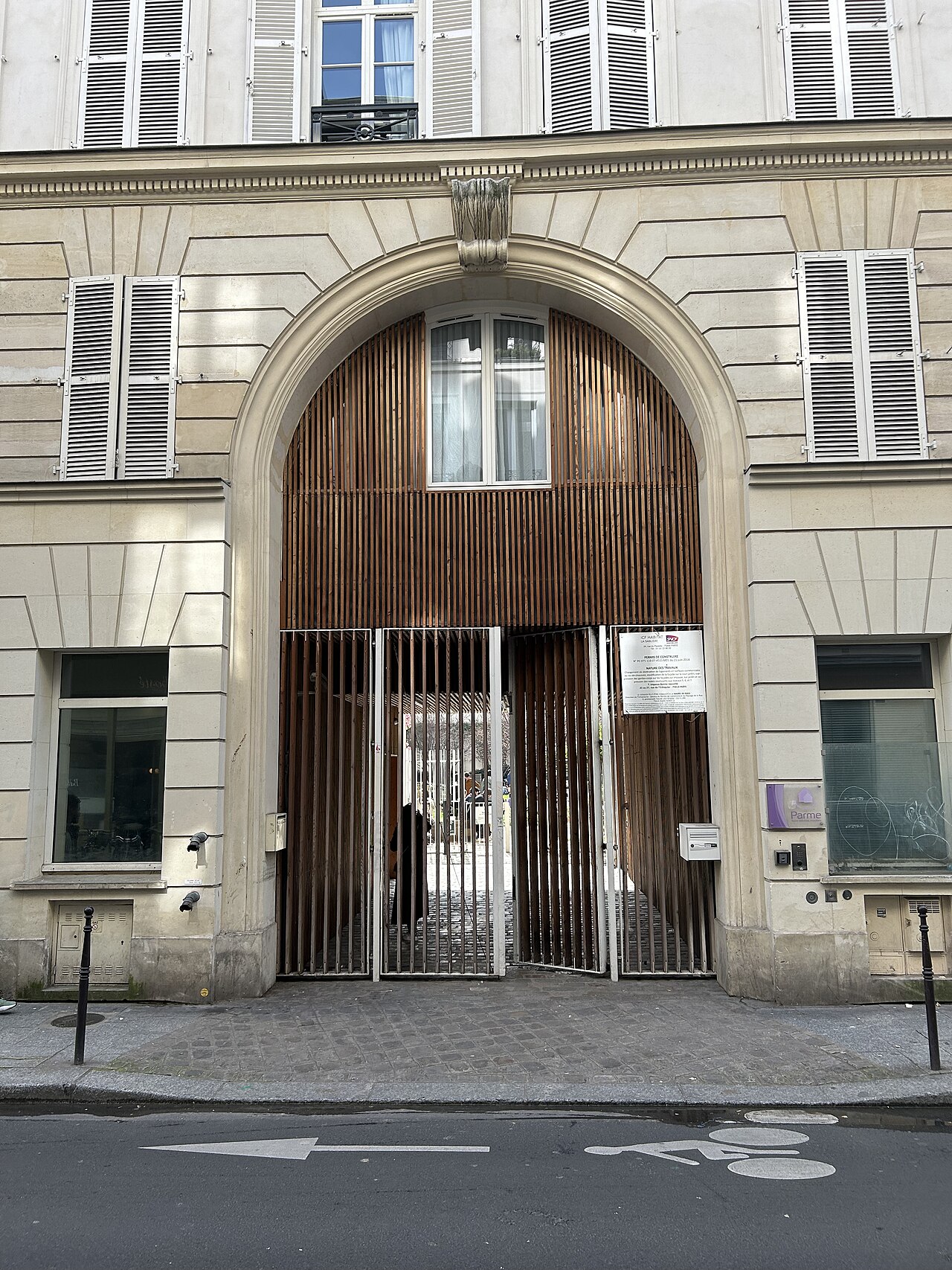
Gallery
Frequently Asked Questions
Why did Yılmaz Güney clash with the Turkish state?
His films centered on the struggles of working-class and Kurdish communities, which the government found politically unacceptable. His communist activism and insistence on portraying Kurdish language and culture on screen repeatedly put him at odds with authorities, eventually leading to his citizenship being stripped.
What distinguishes Yılmaz Güney's style from other Turkish directors?
He consistently told stories from the perspective of laborers, peasants, and marginalized Kurdish people rather than the urban middle class. His work blended raw social realism with a committed political stance, making him a singular voice in the Turkish New Wave.
More in Auteur Directors 25-36
Elsewhere in the Auteur Directors universe
Spotted an error? Know more?
This is a living reference — every entry is fact-audited, and reader corrections feed straight into our audit queue. Suggest an edit · See this site's audit record