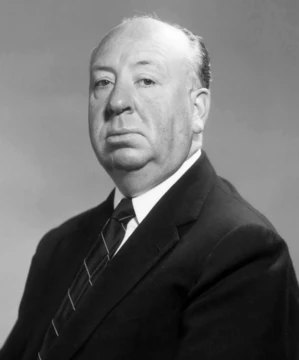
Yılmaz Güney
Kurdish filmmaker and activist who won the Palme d'Or in exile.
Yılmaz Güney was a Kurdish film director, screenwriter, novelist, actor, and communist political activist who rose quickly to prominence in the Turkish film industry. His works, created from a far-left perspective, consistently addressed the struggles of working-class people in Turkey. Born in 1937 in the village of Yenice in Adana province, his parents had migrated there to work as laborers in cotton fields, and Güney grew up surrounded by the Kurdish working class. Before entering film, he worked various jobs, including as a movie delivery boy and horse-cart driver, and began publishing short stories and poems while still in high school. His writing soon brought him into conflict with the authorities; a short story about a person striving for a better world was deemed Communist propaganda, leading to a trial. These early experiences shaped his later focus on the realistic portrayal of the downtrodden and marginalized. In 1957, he began studying law at Istanbul University but was quickly drawn into the film industry, where he met novelist Yaşar Kemal. After being accused of Communist propaganda in 1957, he was sentenced to seven and a half years in prison, though the sentence was later reduced. The 1960 coup interrupted the judicial process, and he was imprisoned in 1961 before being released in 1962. While in prison, he wrote a novel considered Communist. Not content with his acting stardom, Güney began directing his own films in 1965 and formed his own production company by 1968. His film *Umut* (Hope, 1970) is regarded as the first realistic film of Turkish cinema, praised by director Elia Kazan for being completely native and not imitative. Following the 1971 military coup, Güney was arrested for harboring anarchist students and jailed in 1972, during which time his assistant Şerif Gören completed his films. After being convicted of killing a judge in 1974—a charge he denied—Güney fled Turkey and was stripped of his citizenship. In 1982, he won the Palme d'Or at the Cannes Film Festival for *Yol* (The Road), which he co-directed with Gören. In 1983, he co-founded the Kurdish Institute of Paris with Kurdish poets. He remained at constant odds with the Turkish government over his portrayal of Kurdish culture, people, and language until his death in 1984.
- field
- Film director, screenwriter, novelist, actor
- nationality
- Kurdish (Turkish-born; citizenship later revoked)
Lore & Background
He grew up surrounded by the Kurdish working class and held various jobs, including movie delivery boy and horse-cart driver, before publishing his first article in August 1955 and his first poem a week later while still in high school. His writing, especially a short story deemed Communist propaganda, led to legal trouble. He adopted the surname Güney reportedly after his first published story, before meeting novelist Yaşar Kemal. His films, such as Umut (Hope, 1970), were praised for their realism.
Reader's Guide
Yılmaz Güney’s career unfolded within the Yeşilçam studio system, where a shift toward realistic portrayals of Kurdish and Turkish life began to challenge state-sanctioned melodramas and war films. He rose to fame as an actor under the moniker “The Ugly King,” appearing in up to twenty films per year, before moving into directing his own pictures in 1965. His works, such as *Umut* (Hope), were praised for their poetic, non-imitative realism rooted in village environments. Güney’s films consistently mirrored the feelings of the underprivileged, often depicting people struggling against the powerful. His far-left perspective and focus on the working class brought him into constant conflict with the Turkish government, particularly over his portrayal of Kurdish culture, language, and people. He was imprisoned multiple times, including after the 1971 military coup, and while incarcerated he wrote screenplays that were directed by his assistant, Şerif Gören. In 1982, Güney co-directed *Yol* (The Road) with Gören, which won the Palme d’Or at Cannes. Following a conviction for killing a judge—a charge he denied—he fled Turkey, was stripped of his citizenship, and later co-founded the Kurdish Institute of Paris. His life and output remain a symbol of artistic resistance and the fight for cultural and political expression.
Did You Know?
- Yılmaz Güney adopted the surname Güney reportedly after his first published story.
- He published his first article in August 1955 and his first poem a week later while still in high school.
- His short story deemed Communist propaganda led to legal trouble.
- His film Umut (Hope, 1970) was praised for its realism.
- He won the Palme d'Or while in exile.
Gallery
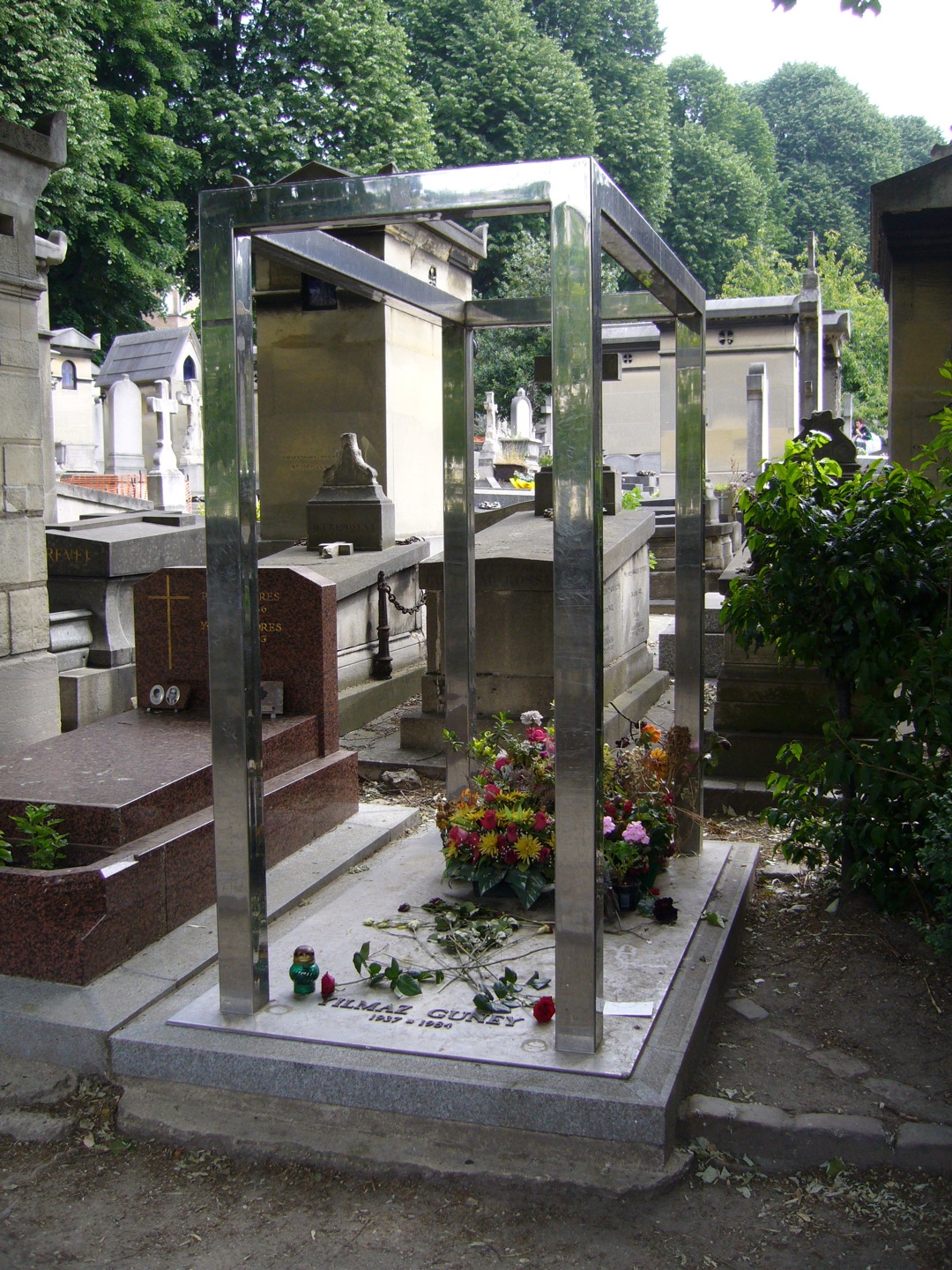
Frequently Asked Questions
Why did Yılmaz Güney clash with the Turkish state?
His films centered on the struggles of working-class and Kurdish communities, which the government found politically unacceptable. His communist activism and insistence on portraying Kurdish language and culture on screen repeatedly put him at odds with authorities, eventually leading to his citizenship being stripped.
What distinguishes Yılmaz Güney's style from other Turkish directors?
He consistently told stories from the perspective of laborers, peasants, and marginalized Kurdish people rather than the urban middle class. His work blended raw social realism with a committed political stance, making him a singular voice in the Turkish New Wave.
More in Auteur Directors 1-24
Spotted an error? Know more?
This is a living reference — every entry is fact-audited, and reader corrections feed straight into our audit queue. Suggest an edit · See this site's audit record