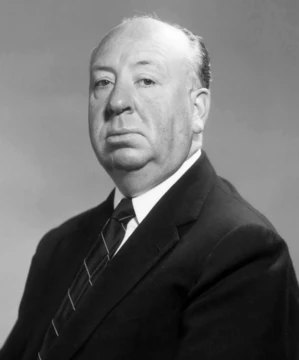
Yevgeni Bauer
Russian silent film director and pioneer of cinematic artistry.
Yevgeni Franzevich Bauer (1865 – 22 June [O.S. 9 June] 1917) was a Russian silent film director, theatre artist, and screenwriter whose work shaped early 20th-century Russian cinema. Between 1913 and 1917, he directed over seventy films, though only twenty-six survive. He employed long sequence shots and camera movements that later became hallmarks of virtuoso cinematography. Film critic Kenneth Turan of the *Los Angeles Times* described him as "the greatest director you've never heard of," while Georges Sadoul called him "the first true artist in the history of cinema."
Bauer was born in Moscow in 1865 to Franz Bauer, a Bohemian immigrant musician, and his wife, an operatic singer. From childhood, he showed artistic inclinations and took part in dramatized scenes; his sister was a professional actress. In 1887, he graduated from the Moscow School of Painting, Sculpture and Architecture. He worked as a caricaturist for the press, then as an art photographer, and later as a theatre producer, impresario, and set designer. In the 1890s, he married actress and dancer Lina Ancharovna; during World War I, he used the pseudonym Evgeni Ancharov, feeling his surname was "too German."
Bauer entered cinema with set decorations for the film *300 Years of the House of Romanov* (1913), produced by Alexander Drankov’s company. He then made four films for Drankov, four more for the Moscow branch of Pathé Brothers, and finally joined the Khanzhonkov company, then the leader in Russian cinema. From late 1913 to early 1917, he made over eighty films, fewer than half of which survive. He worked mainly in social and psychological drama, as well as comedies, including *Daydreams*, *After Death* (both 1915), *A Life for a Life* (1916), and *The Revolutionary* (1917). His actors included Ivan Mozzhukhin, Vera Kholodnaya, Vitold Polonsky, Ivan Perestiani, and Vera Karalli.
In 1917, Bauer moved with Khanzhonkov to a new studio in Yalta, where he made *For Happiness* with young actor Lev Kuleshov. He broke his leg on set and directed his next film, *The King of Paris*, from a bathchair. Complications from pneumonia set in, and he could not finish the film. He died on 22 June 1917 in a Yalta hospital; actress Olga Rakhmanova completed his final work.
Bauer is regarded as a leading stylist of Russian silent cinema, emphasizing the pictorial side of filmmaking. He was a master of psychological drama and one of the first Russian directors to develop montage, mise-en-scène, and frame composition. Drawing on his theatre experience, he anticipated future cinematic achievements. He pioneered lighting placement and changes during filming, used unusual angles, wide spaces, and filmed through gauze to create fog effects. He carefully composed each shot, constructing sets and natural scenes with classical landscape artistry, and used camera movement to expand space and add drama. His experiments and skill earned him a reputation as the leading director in Russian cinema.
- born
- 1865, Moscow
- died
- 22 June 1917, Yalta
- field
- Film director, theatre artist, screenwriter
- nationality
- Russian
- known_for
- Silent films, psychological drama, pioneering use of lighting and camera movemen
Lore & Background
Bauer was born in Moscow in 1865, the son of the Bohemian immigrant musician Franz Bauer and his wife, an operatic singer. From childhood, Bauer displayed artistic tendencies and participated in his favourite dramatised scenes (his sister was a professional actress). In 1887, Bauer graduated from the Moscow School of Painting, Sculpture and Architecture. He tried out a number of different professions, first working as a caricaturist, drawing satirical sketches for the press. He then became a master of art photography, before moving to work in the theatre, as a producer, an impresario, and a professional set designer. In the 1890s, he married the actress and dancer Lina Ancharovna, whose surname he used during the First World War when he went under the pseudonym of Evgeni Ancharov, feeling that his own surname was "too German". His first work in the cinema was an order for set decorations for the film "300 Years of the House of Romanov" (1913), produced by Alexander Drankov's film company. After this, Bauer worked for Drankov as a producer and made four films. He then made another four films for the Moscow branch of the French company Pathé Brothers, and then finally started to work for the Khanzhonkov company. From the end of 1913 to the start of 1917, Bauer made more than 80 films, of which less than half have survived. In 1917, Bauer and the Khanzhonkov company moved to a new studio in Yalta, where he made the film For Happiness with the young actor Lev Kuleshov. Bauer broke his leg on the set and had to work on his next film, The King of Paris, from a bathchair. However, Bauer started to suffer from complications relating to pneumonia and could not complete this film. On 22 June 1917, Bauer died in a Yalta hospital. His final film was completed by actress Olga Rakhmanova.
Reader's Guide
Bauer is considered a leading stylist of Russian silent cinematography and placed particular emphasis on the pictorial aspect of film-making. He is considered a master of psychological drama, and also one of the first Russian directors who developed the artistic side of cinema including montage, mise-en-scene and the composition of the frame. He made great use of his theatrical experience when making his films, the outcomes of which occasionally prefigured future achievements in cinema. Bauer was the first to start to consider the placing of lights on the film-set and changed the lighting during the filming, used unusual filming angles, made frequent use of wide spaces, and filmed through "gaseous" material to produce the effect of fog. He attributed great significance to the composition of each shot, constructing decor and natural shots with artistic expressions of classical landscapes, made use of camera movement to widen the space of the shot, and add a dramatic effect. Bauer's artistic experiments and outstanding expertise gave him a reputation as the leading director in Russian cinema. He worked mainly in the genres of social and psychological drama (although he also made comedies), such as Daydreams, After Death (both 1915), A Life for a Life (1916), and The Revolutionary (1917). He worked with the leading actors of Russian silent cinema, including Ivan Mozzhukhin, Vera Kholodnaya, Vitold Polonsky, Ivan Perestiani, Vera Karalli and others.
Did You Know?
- Bauer made more than seventy films between 1913 and 1917, of which only 26 survived.
- He used the pseudonym Evgeni Ancharov during the First World War because he felt his surname Bauer was 'too German'.
- Bauer broke his leg on the set of For Happiness and had to work on his next film, The King of Paris, from a bathchair.
- His final film was completed by actress Olga Rakhmanova after he died of pneumonia complications on 22 June 1917.
- Georges Sadoul called Bauer 'the first true artist in the history of cinema'.
Gallery
Frequently Asked Questions
Who is Yevgeni Bauer?
Yevgeni Franzevich Bauer (1865–1917) was a Russian theatre artist, screenwriter, and silent-film director who became one of the earliest figures to treat cinema as a visual art form rather than mere documentation.
What made Bauer's filmmaking style distinctive?
He was a pioneer in the deliberate use of theatrical lighting and fluid camera movement to convey interior psychological states, techniques that were largely unheard of in early Russian cinema.
How many films did Yevgeni Bauer direct?
Between 1913 and 1917 he produced more than seventy silent films, though only about twenty-six of those titles are known to have survived to the present day.
Why is Yevgeni Bauer considered important in film history?
His work shaped the visual grammar of Russian cinematography at the turn of the century, establishing conventions of mood, composition, and actor psychology that later directors inherited and expanded.
What are the circumstances of Yevgeni Bauer's death?
Bauer died on 22 June 1917 in Yalta, Crimea, cutting short a prolific but brief filmmaking career that spanned only roughly four years.
More in Auteur Directors 1-24
Spotted an error? Know more?
This is a living reference — every entry is fact-audited, and reader corrections feed straight into our audit queue. Suggest an edit · See this site's audit record