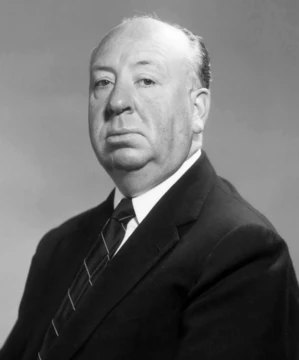
Youssef Chahine
Egyptian director of autobiographical films and political dramas.
Youssef Chahine was an Egyptian film director whose career spanned from 1950 until his death in 2008. Twelve of his films appear on the Cairo International Film Festival’s list of the Top 100 Egyptian films. He received the Cannes 50th Anniversary Award for lifetime achievement and is credited with launching actor Omar Sharif’s career. Critics held him in high regard, and he was a regular presence at film festivals in his earlier decades. His widest international exposure came as a co-director of the 2002 anthology film *11'9"01 September 11*.
Chahine was born on 25 January 1926 in Alexandria, Egypt, into a Melkite Greek Catholic family. His father, a lawyer originally from Zahle, Lebanon, supported the nationalist Wafd Party. His mother, Claire Bastorous, was of Greek descent and worked as a tailor. Though raised Catholic, Chahine did not believe in organized religion; when asked, he would simply say his religion was “Egyptian.” At home, the family spoke five languages, typical of cosmopolitan Alexandria at the time. He had a close relationship with both parents, despite their contrasting personalities. From a young age, he knew he wanted to work in cinema, spending hours under his bed or in his room imagining himself in a projection theater, cinema hall, or production company.
As a child, Chahine saved his allowance to buy a 9.5mm projector and regularly showed Rabbani Bibi films to neighborhood children. Those who were reluctant to attend were coerced by a gang he formed. In his youth, he became preoccupied with sexual fantasies and cinema. After the death of his older brother Alfred, Chahine remembered his brother’s eyes and later cast many male actors with similar eyes. His father’s honesty shaped his own values, and his father also fostered his love of books. To afford Chahine’s tuition at Victoria College, his father left his law practice for a job in the Alexandria municipality. Chahine also recalled his father teaching him to navigate by landmarks in the desert, a skill he later used when scouting film locations. Though the family was not wealthy, their home was aristocratic in manner; mistakes meant dining alone in the kitchen, and they hosted guests without worrying about bank statements.
Chahine began his education at Collège Saint Marc, a Frères school, then attended Victoria College in Alexandria. After graduating in 1944, he was determined to study abroad. His parents opposed this and enrolled him in engineering at the University of Alexandria, but he refused, later saying he had to “blackmail them, and almost jump out of the window.” He eventually got his way and studied theater and television—not film—at the Pasadena Playhouse in California. Of the 200 students, only thirteen took the final exam, and only four passed; Chahine ranked first. After returning from Pasadena, he worked in 20th Century Fox’s publicity department with Gianni Vernuccio and Alvise Orfanelli. He turned down an offer to finish a film abandoned by its director and also refused a position as assistant director, saying he had worked on Hollywood stages and that role was beneath him.
With cinematographer Alvise Orfanelli’s help, Chahine entered the film business. He directed his first feature, *Baba Amin* (Daddy Amin), in 1950 at age 23, two years before the 1952 Egyptian revolution. The following year, *Son of the Nile* earned him his first invitation to the Cannes Film Festival. *Sira' fi-l-Wadi* (Struggle in the Valley) introduced Omar Sharif to the screen. In 1970, he won a Golden Tanit at the Carthage Film Festival for *al-Ikhtiyar* (The Choice). *The Sparrow* (1972), an Egypt–Algeria co-production, expressed his political views after the Six-Day War. At the 29th Berlin International Film Festival, he won the Silver Bear – Special Jury Prize for *Alexandria... Why?* (1978), the first of an autobiographical quartet that also includes *An Egyptian Story* (1982) and *Alexandria, Again and Forever*.
- born
- 25 January 1926
- died
- 27 July 2008
- field
- Film director
- nationality
- Egyptian
- known_for
- Autobiographical film quartet; boosting Omar Sharif's fame; Cannes Lifetime Achi
Lore & Background
Chahine was born in Alexandria, Egypt to a Melkite Greek Catholic family. His father was an attorney originally from Zahle, Lebanon and a supporter of the Egyptian nationalist Wafd Party. His mother, Claire Bastorous, was of Greek descent and worked as a tailor. At home, the Chahines spoke five languages. Chahine was raised Catholic but was not a believer in organized religion; if asked, he would state, 'Egyptian'. At age eight, he saved allowances to buy a 9.5mm projector and became a regular for the Rabbani Bibi films, gathering neighborhood children to show them films. He formed a gang to beat up those who were late. He attended Victoria College in Alexandria, graduating in 1944. He later enrolled in the Pasadena Playhouse in California, studying theater and television but not film. Out of 200 students, only thirteen took the final examination, and only four passed, with Chahine ranking first. After returning, he worked in 20th Century Fox's publicity department with Gianni Vernuccio and Alvise Orfanelli. He directed his first feature film, Baba Amin, in 1950 at age 23.
Reader's Guide
Chahine's significance lies in his long career spanning from 1950 to 2008, during which he directed films that often blended personal autobiography with political commentary. His autobiographical quartet—Alexandria... Why? (1978), An Egyptian Story (1982), Alexandria, Again and Forever (1990), and Alexandria...New York (2004)—explored his sexuality, personality, and family issues. He won the Silver Bear – Special Jury Prize at the 29th Berlin International Film Festival for Alexandria... Why? and received the Cannes 50th Anniversary Award in 1997. His film The Emigrant (1994), inspired by the Biblical character Joseph, sparked controversy in Egypt between liberals and fundamentalists. Chahine is credited with discovering Omar Sharif, whose first starring role was in The Blazing Sun (1954), and with providing Hind Rostom an early role in Cairo Station (1958). He directed five films starring Salah Zulfikar including Saladin the Victorious (1963), The Nile and the Life (1968), and Those People of the Nile (1972). Chahine produced his four autobiographical films starting 1978 up till 2004, telling the life of Yehia which reflects Chahine's own.
Did You Know?
- Chahine formed a gang to beat up neighborhood children who were late to his film shows.
- He ranked first among only four passing students out of 200 at the Pasadena Playhouse.
- Chahine's father closed his law office and took a job in the Alexandria municipality to pay for his tuition at Victoria College.
- He refused to complete someone else's film and also refused an Assistant Director role, stating he was working on Hollywood theaters beforehand.
- Chahine's autobiographical quartet spans from Alexandria... Why? (1978) to Alexandria...New York (2004).
A Cosmopolitan Childhood in Alexandria
Born in 1926 in Alexandria to a Melkite Greek Catholic family, Chahine grew up in a household where five languages were spoken daily — a reflection of the city's cosmopolitan character. His father, a Lebanese-born attorney and Wafd Party sympathizer, and his mother, a Greek-descent tailor, created a home that was aristocratic in manner but modest in means. Despite financial strain, his father closed his private practice to take a municipal legal post so Chahine could attend Victoria College. The family maintained strict etiquette — mistakes meant eating dinner alone in the kitchen — yet they still welcomed guests without regard for bank statements. Chahine's early cinematic obsession began at eight, when he saved his allowance to buy a 9.5mm projector and screened Rabbani Bibi films for neighborhood children, reportedly forming a gang to beat up those who arrived late. The death of his older brother Alfred left a lasting imprint; Chahine later cast male actors whose eyes resembled his brother's.
Education and the Road to the Director's Chair
After graduating from Victoria College in 1944, Chahine was determined to study the performing arts abroad. His parents resisted, enrolling him in engineering at the University of Alexandria, but he refused so forcefully he described having to blackmail them and almost jumping out the window. He ultimately secured a place at the Pasadena Playhouse in California, where he studied theater and television rather than film. Of two hundred students, only thirteen sat the final examination and just four passed; Chahine ranked first. Back in Egypt, he initially worked in 20th Century Fox's publicity department alongside Gianni Vernuccio and Alvise Orfanelli. When a producer asked him to complete a film abandoned by its director, Chahine declined to finish another person's work. He similarly turned down an Assistant Director position, insisting the role was beneath his ambitions. It was Orfanelli who ultimately guided him into the film business as a director.
A Prolific and Politically Charged Career
Chahine directed his first feature, Baba Amin, in 1950 at age twenty-three, just two years before Egypt's 1952 revolution. By 1951, Son of the Nile earned him an invitation to Cannes, and his next film, Sira' fi-l-Wadi, put Omar Sharif on the screen for the first time. His career spanned nearly six decades, producing twelve films that made the Cairo International Film Festival's Top 100 Egyptian list. The Sparrow (1972) marked his political stance after the Six-Day War and became the first Egypt-Algeria co-production. His autobiographic Alexandria quartet — beginning with Alexandria... Why? (1978), which won the Silver Bear Special Jury Prize at Berlin — continued through An Egyptian Story, Alexandria, Again and Forever, and Alexandria... New York. He also adapted André Chedid's novel into The Sixth Day (1986), starring singer Dalida as a poor Egyptian woman. Chahine received the Cannes 50th Anniversary lifetime achievement award.
International Reach and Personal Philosophy
Chahine's largest international audience came in 2002 when he co-directed a segment of 11'9"01 September 11, the multi-director anthology responding to the attacks. His long-standing collaboration with French producer Humbert Balsan, which began with Adieu, Bonaparte in 1985, yielded nine films together, with Balsan carrying Alexandria... New York to Cannes in 2004. Throughout his career, Chahine was a familiar presence at major festivals during the earlier decades of his work. His identity defied easy categorization: raised Catholic but not a believer in organized religion, he would simply call himself Egyptian when asked about faith. His creative philosophy was uncompromisingly personal — he made his films first for himself — a stance that shaped everything from his refusal to complete another director's abandoned project to his insistence on casting actors who carried the memory of his late brother's eyes. He remained active in Egyptian cinema until his death on 27 July 2008.
Gallery


Frequently Asked Questions
Who is Youssef Chahine?
Youssef Chahine (1926–2008) was an Egyptian filmmaker whose career spanned from 1950 until his death, specializing in autobiographical narratives and politically charged dramas. He is widely regarded as one of the most significant auteur voices in Arab cinema.
What is Youssef Chahine most famous for?
He is best known for his autobiographical film quartet, for discovering and launching the career of Omar Sharif, and for receiving the Cannes 50th Anniversary lifetime achievement award. His work also reached a global audience through his co-direction of the 2002 anthology 11'9"01 September 11.
What major awards did Youssef Chahine win?
Chahine was honored with the Cannes 50th Anniversary Award for lifetime achievement. Additionally, twelve of his films were selected for the Cairo International Film Festival's Top 100 Egyptian films list, underscoring his lasting influence on national cinema.
How did Youssef Chahine connect with Omar Sharif?
Chahine is credited with giving Omar Sharif his first major screen role, effectively launching the actor's career. Sharif went on to become an international star, and the director-actor partnership remains a landmark moment in Egyptian film history.
What role did Youssef Chahine play in 11'9"01 September 11?
He served as one of the co-directors of that 2002 multi-perspective anthology film about the September 11 attacks. The project introduced his work to a much broader international audience than his earlier Egyptian-language films had reached.
More in Auteur Directors 1-24
Spotted an error? Know more?
This is a living reference — every entry is fact-audited, and reader corrections feed straight into our audit queue. Suggest an edit · See this site's audit record